
Students
Student Cohorts
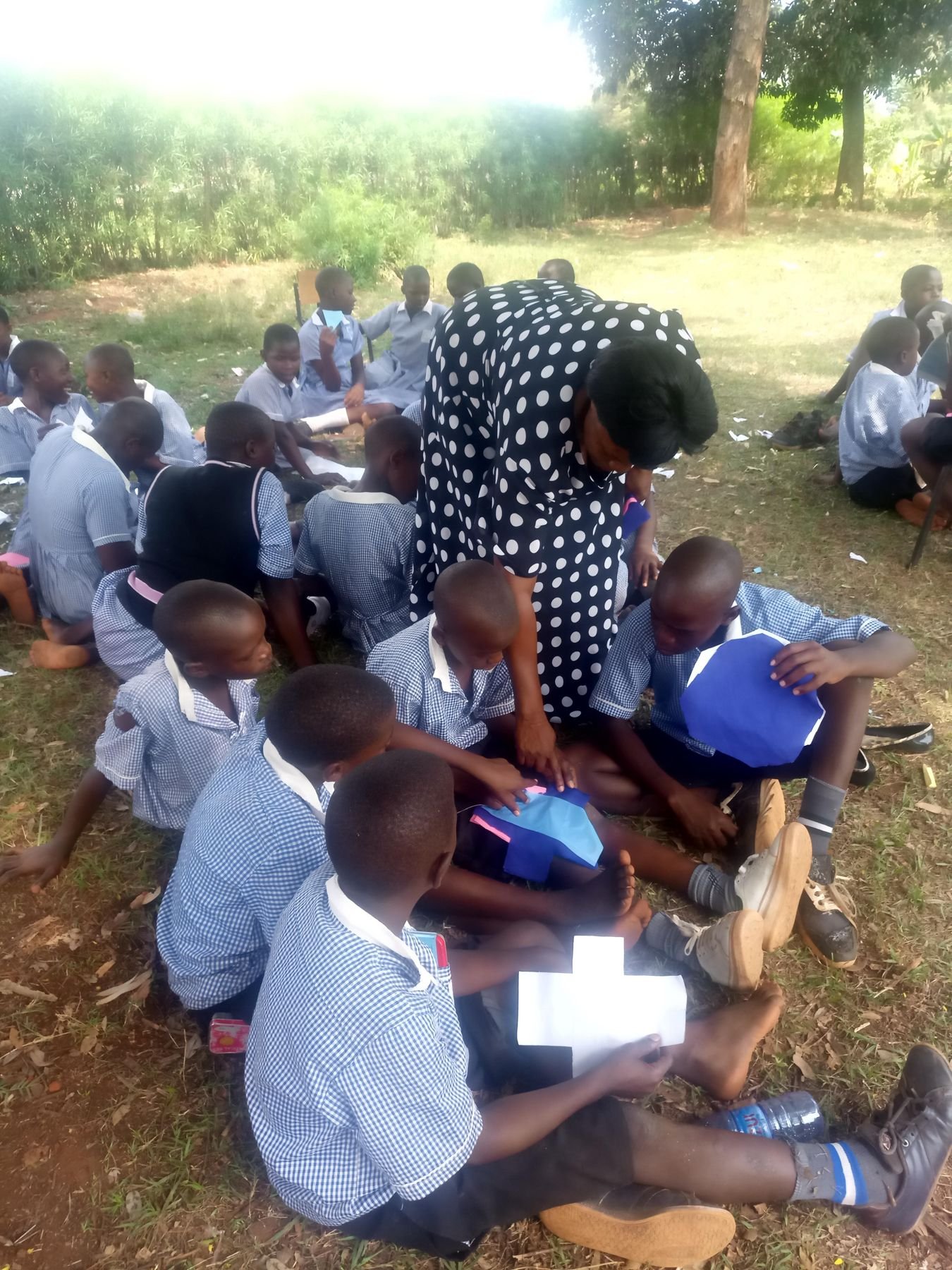
Universities could send cohorts of approximately 5–15 students for 4–8 weeks, or students could apply through advertised opportunities.
ExploreA possible additional component connecting students, researchers, fellows and professionals to real MCH work in Uganda.
The platform would make the organization a place where participants can learn, undertake practical work, conduct research and contribute to real MCH priorities.
Universities could send cohorts of approximately 5–15 students for 4–8 weeks, or students could apply through advertised opportunities.
Explore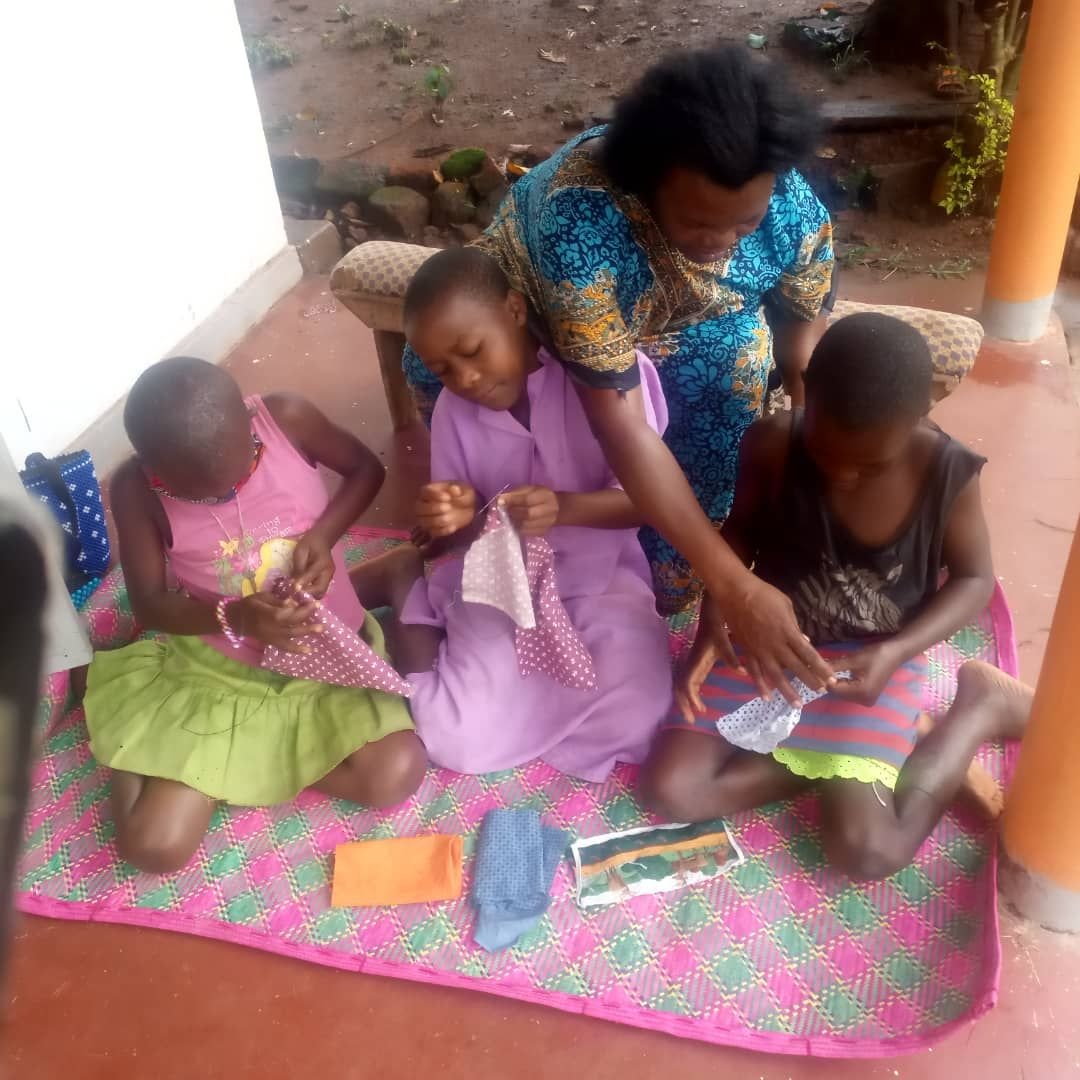
A fee-supported fellowship for international participants and potentially other professionals, with supervision and real project contribution.
Explore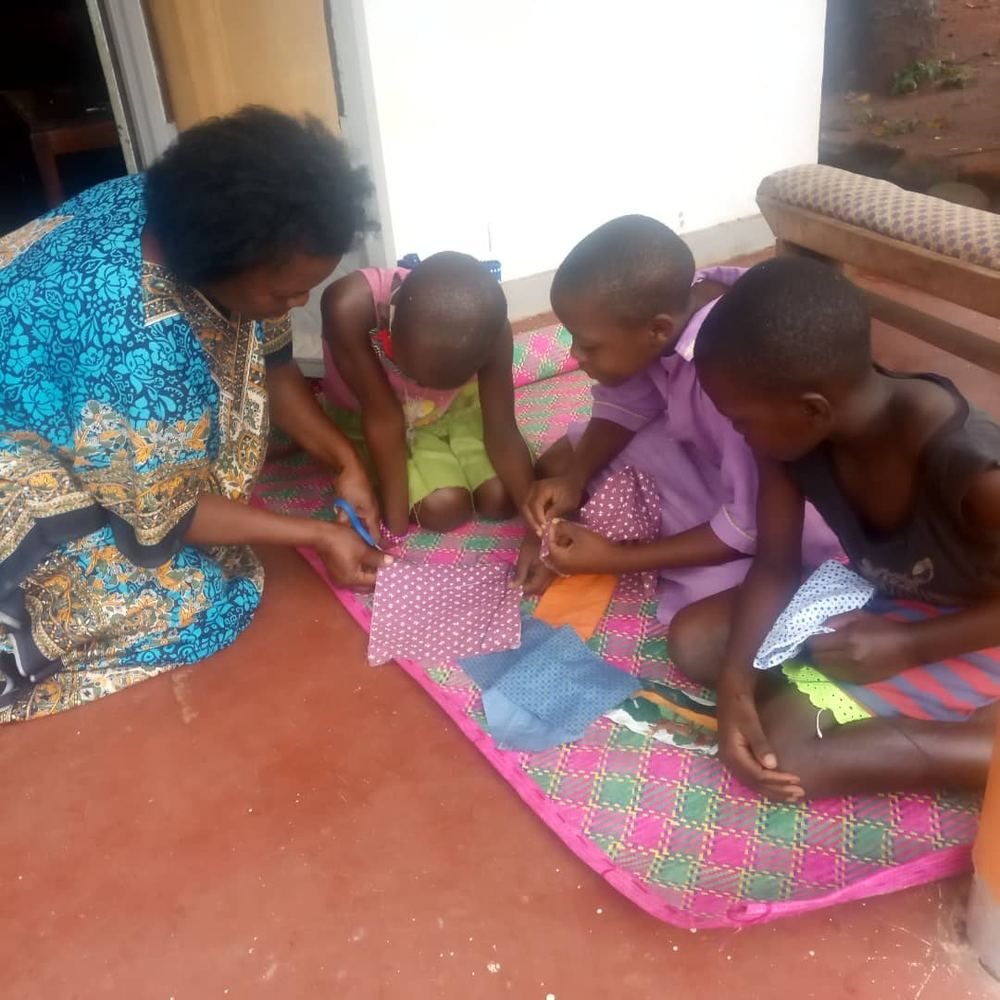
Shorter or longer placements for clinicians, researchers, analysts, M&E specialists, nutritionists, program managers and other professionals.
ExploreDissertations, theses, qualitative studies, operational research and implementation research.
Data analyses, community assessments, referral maps, dashboards and indicator summaries.
Intervention proposals, M&E frameworks and implementation plans.
Evidence briefs, presentations, reports and potential manuscripts or publications where appropriate.
Understanding Continuity of Maternal and Child Health Care
Different students could examine community barriers, referral pathways, facility data, adolescent experiences, qualitative experiences and economic barriers — producing one connected body of evidence rather than unrelated reports.
Student placements · Summer cohorts · Thesis/dissertation research · PhD fieldwork · Faculty research · Joint projects · Academic supervision · Training · Grant applications · Joint publications.
Participation fees could support administration, orientation, supervision, field activities, accommodation or logistics where provided, mentorship, learning activities and organizational overhead.
Scholarship or subsidized places could be considered for selected participants who could not otherwise afford the fellowship.
Former participants can remain connected as collaborators, technical advisors, university contacts, mentors, partners or supporters.
The fellowship should remain primarily a learning and contribution model, not a revenue-maximization scheme.